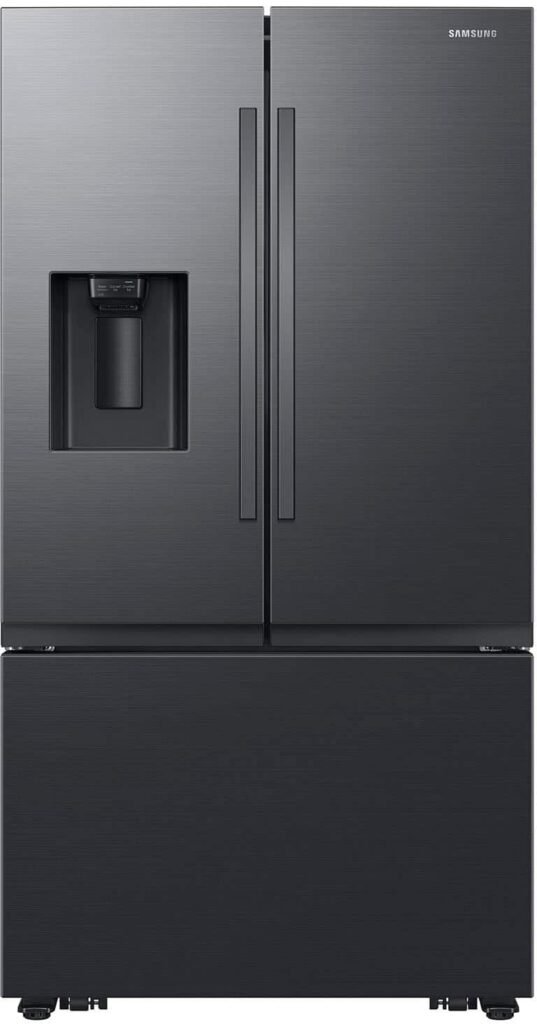








Samsung – 27 cu. ft. French Door Counter Depth Smart Refrigerator with Dual Auto Ice Maker – Stainless Steel
Original price was: $1,969.99.$1,609.99Current price is: $1,609.99.-
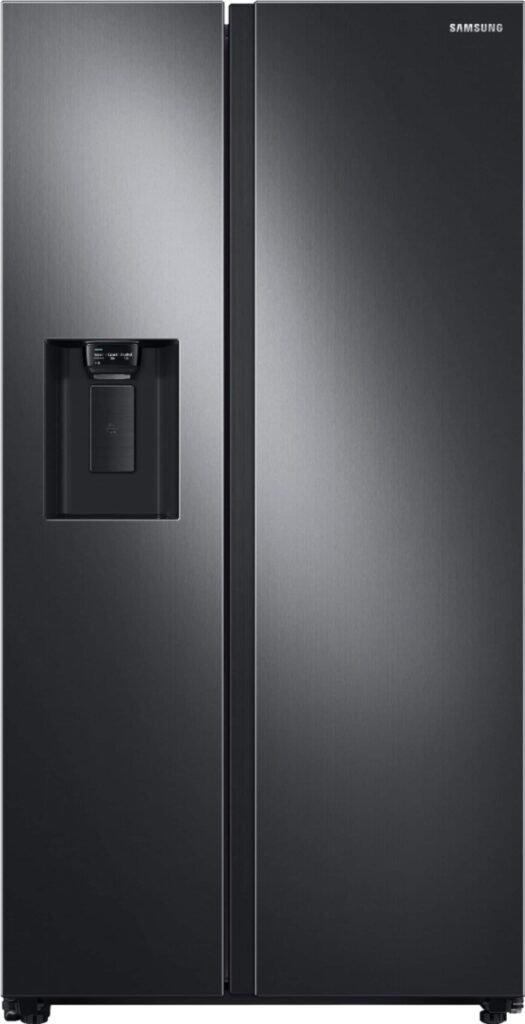

Samsung – 27.4 cu. ft. Side-by-Side Refrigerator with Large Capacity – Stainless Steel
Original price was: $1,489.99.$1,229.99Current price is: $1,229.99.-

Samsung – 28 Cu. Ft. 4-Door French Door Smart Refrigerator with FlexZone Drawer – Stainless Steel
Original price was: $2,689.99.$1,799.99Current price is: $1,799.99.-

Samsung – 28 cu. ft. Side-by-Side Smart Refrigerator with Large Capacity – Stainless Steel
Original price was: $1,339.99.$1,129.99Current price is: $1,129.99.-
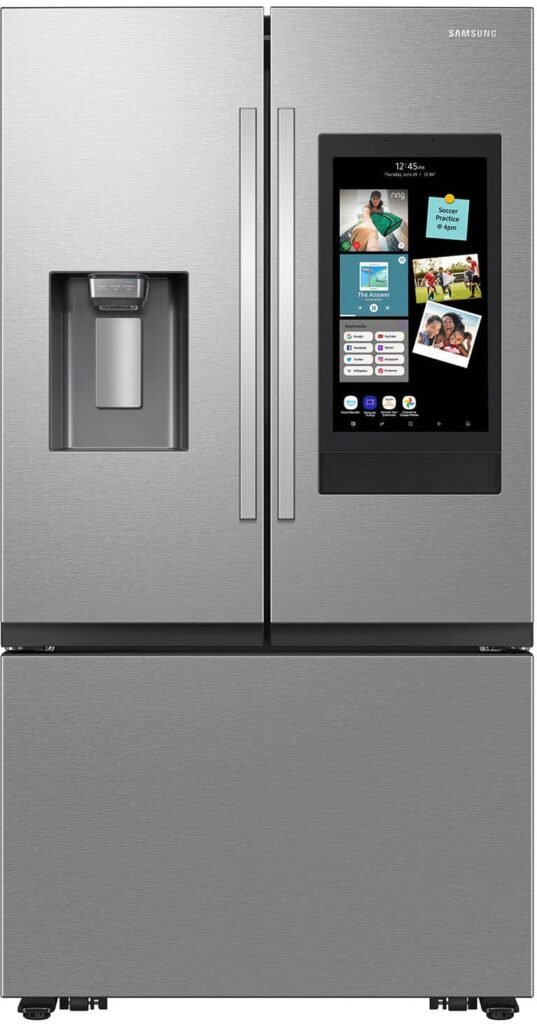
Samsung – 30 cu. ft. 3-Door French Door Smart Refrigerator with Family Hub – Stainless Steel
Original price was: $3,139.99.$2,839.99Current price is: $2,839.99.-
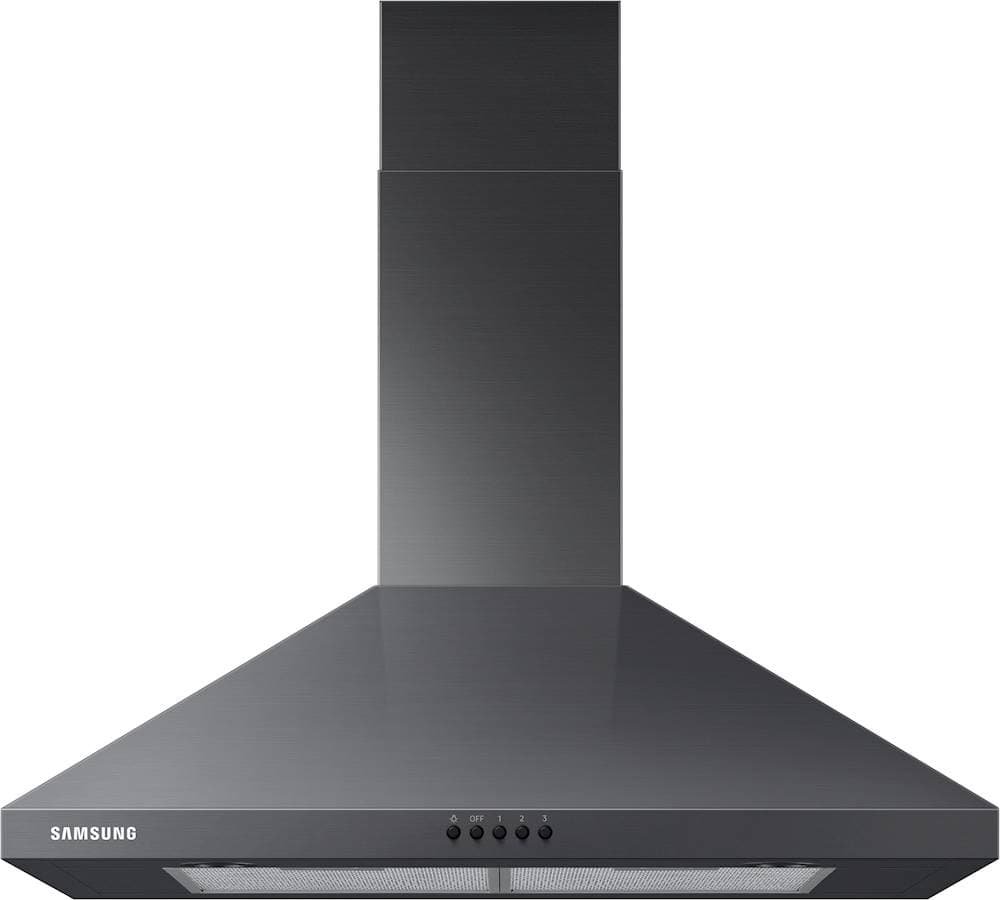
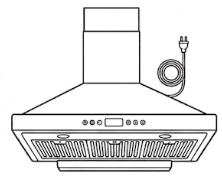
Samsung – 30 inches – Externally Vented & Recirculating – Wall Range Hood – Black Stainless Steel
Original price was: $619.99.$539.99Current price is: $539.99.-
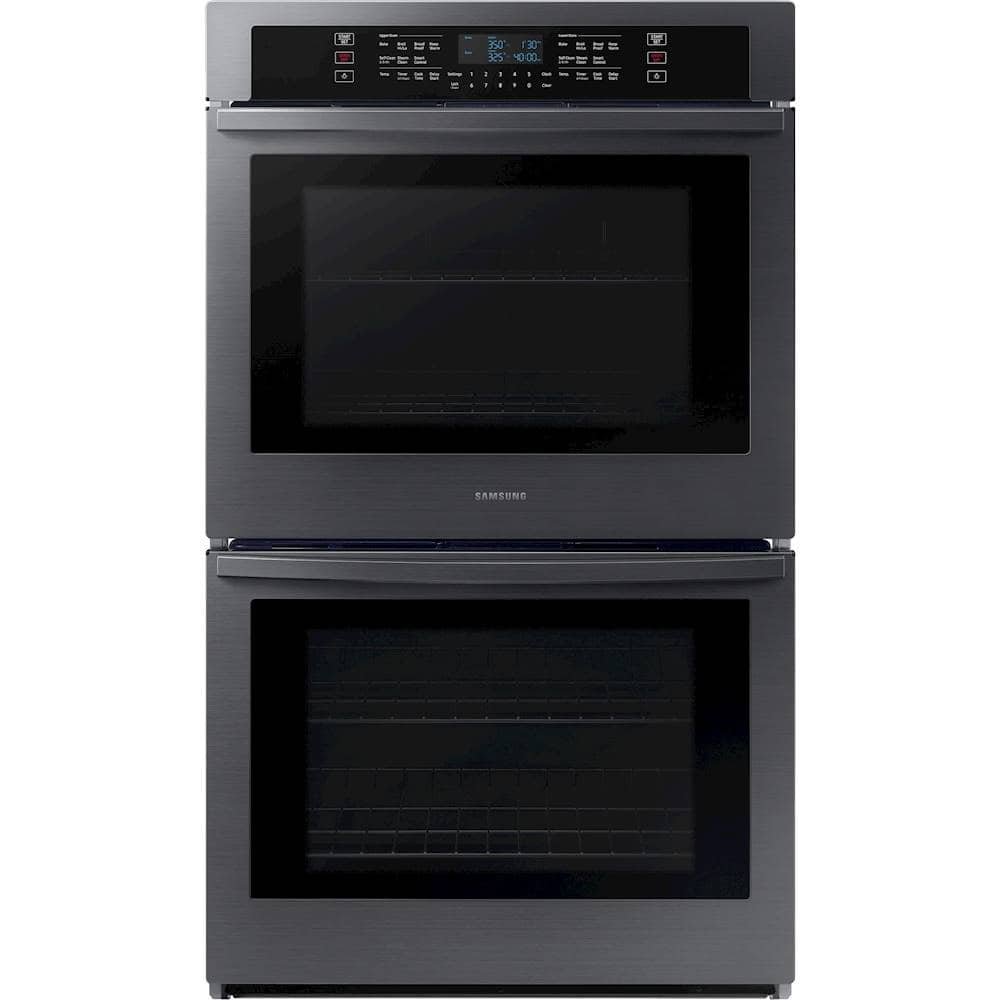
Samsung – 30″ Built-In Double Wall Oven with WiFi – Black Stainless Steel
Original price was: $2,559.99.$1,989.99Current price is: $1,989.99.-
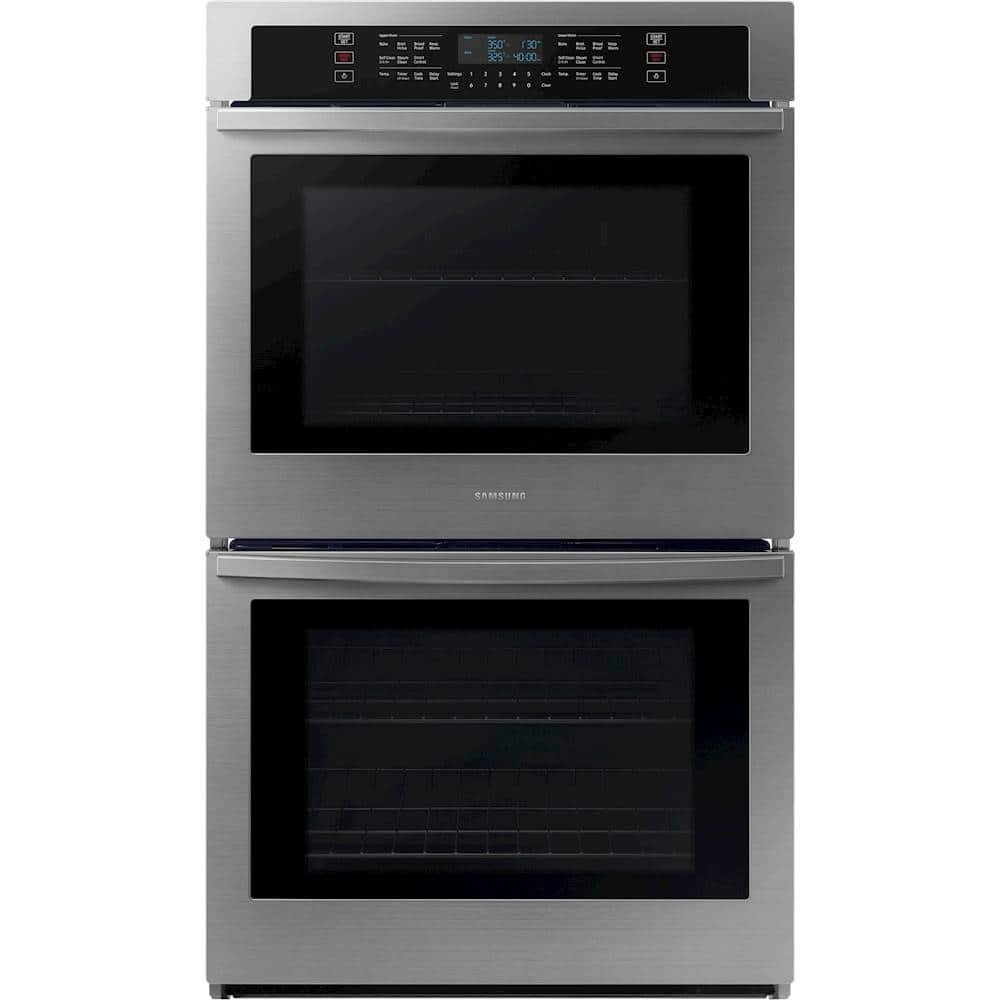
Samsung – 30″ Built-In Double Wall Oven with WiFi – Stainless Steel
Original price was: $2,379.99.$1,799.99Current price is: $1,799.99.-

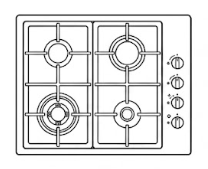
Samsung – 30″ Built-In Gas Cooktop with WiFi – Black Stainless Steel
Original price was: $1,569.99.$1,229.99Current price is: $1,229.99.-
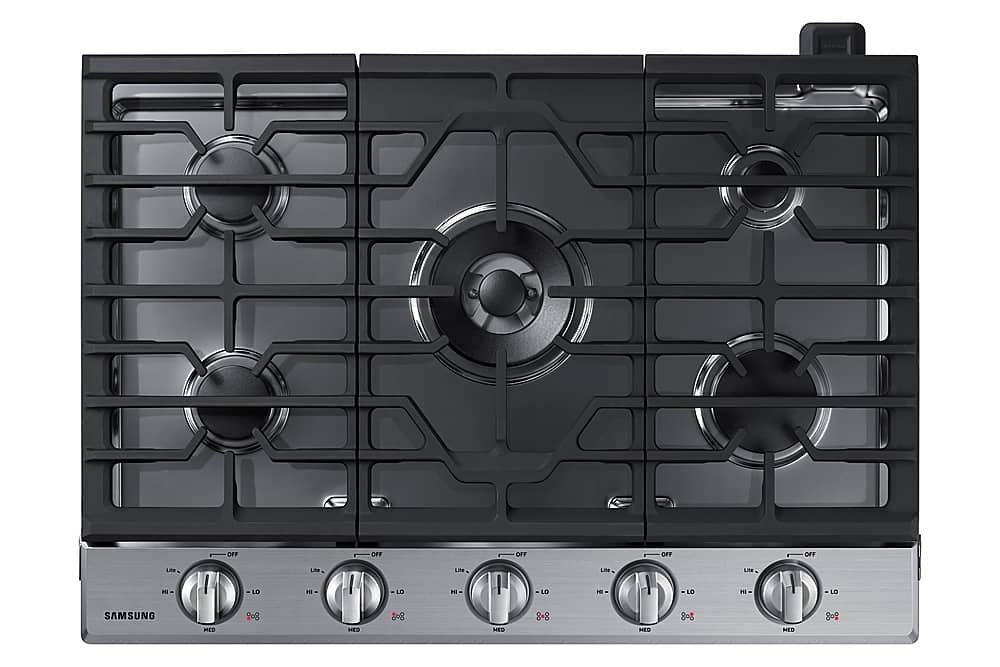
Samsung – 30″ Built-In Gas Cooktop with WiFi – Stainless Steel
Original price was: $1,479.99.$1,129.99Current price is: $1,129.99.-
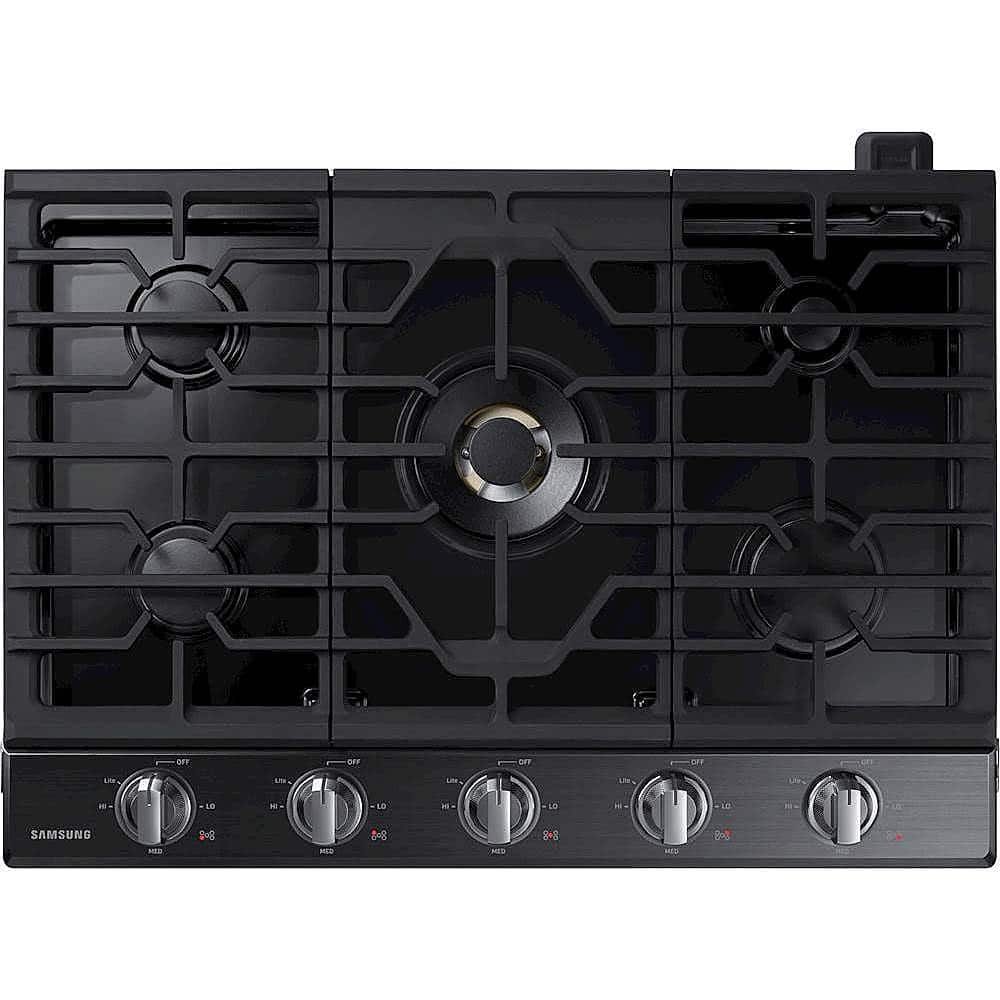
Samsung – 30″ Built-In Gas Cooktop with WiFi and Dual Power Brass Burner – Black Stainless Steel
Original price was: $1,749.99.$1,369.99Current price is: $1,369.99.-
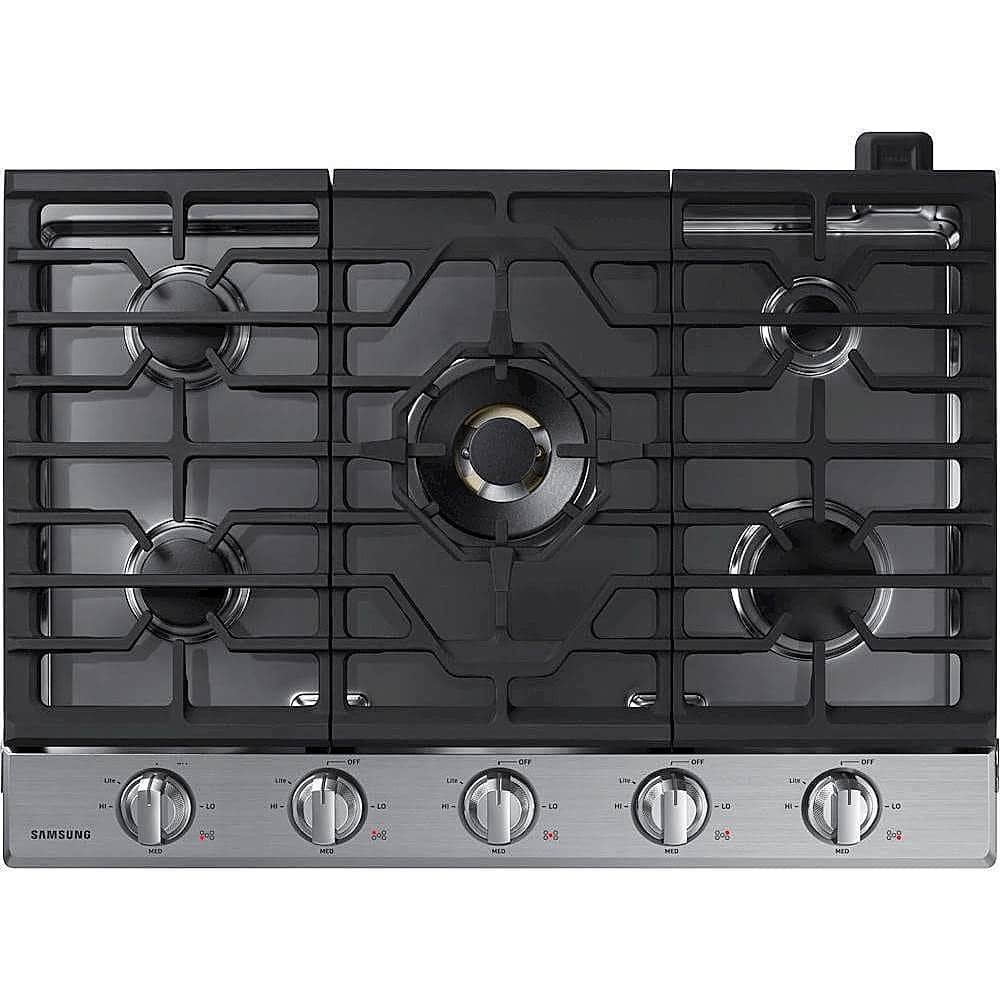
Samsung – 30″ Built-In Gas Cooktop with WiFi and Dual Power Brass Burner – Stainless Steel
Original price was: $1,659.99.$1,279.99Current price is: $1,279.99.-
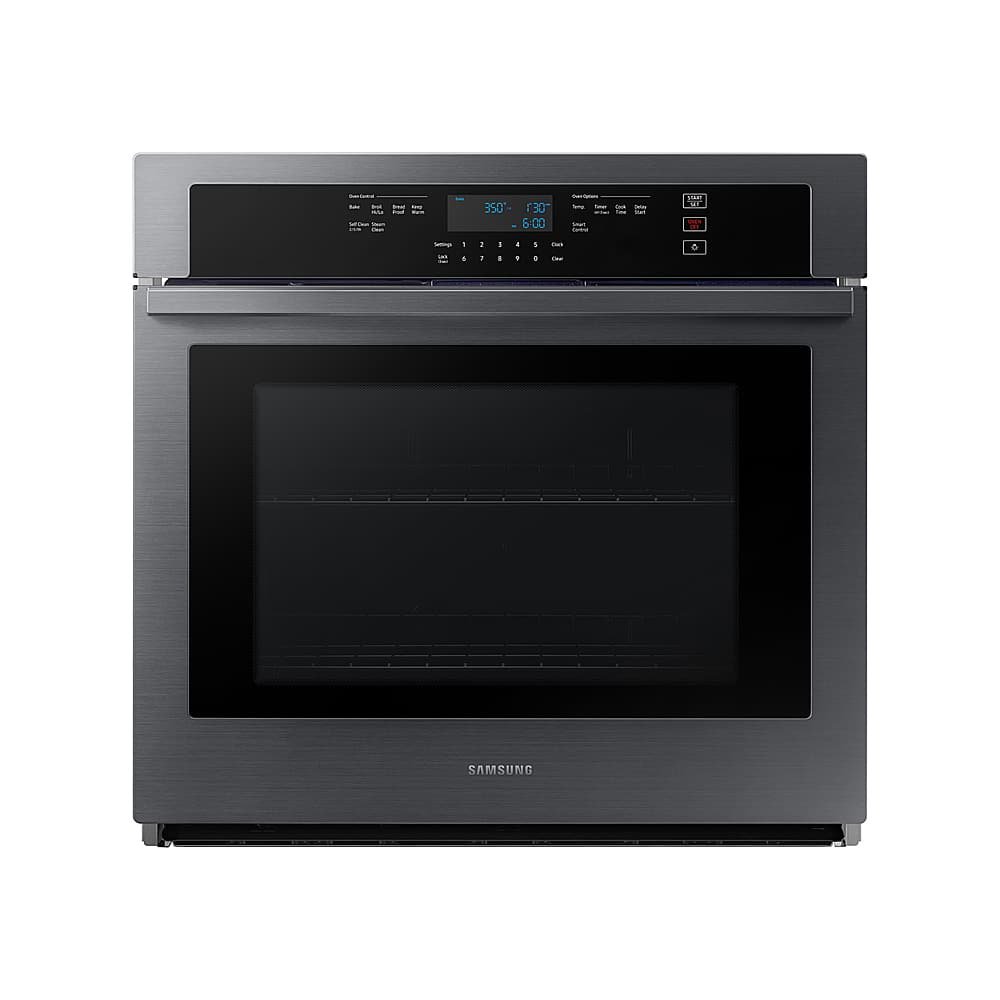
Samsung – 30″ Built-In Single Wall Oven with WiFi – Black Stainless Steel
Original price was: $1,659.99.$1,319.99Current price is: $1,319.99.-
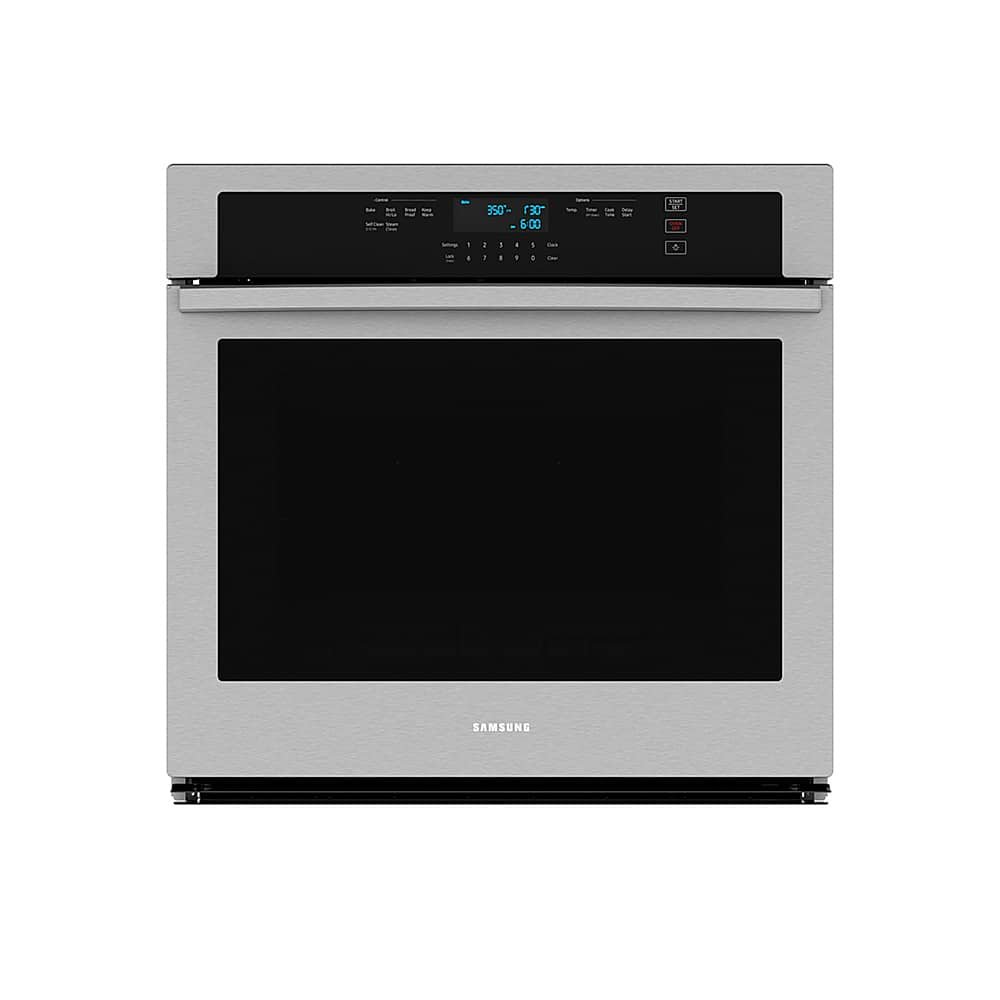
Samsung – 30″ Built-In Single Wall Oven with WiFi – Stainless Steel
Original price was: $1,569.99.$1,129.99Current price is: $1,129.99.-
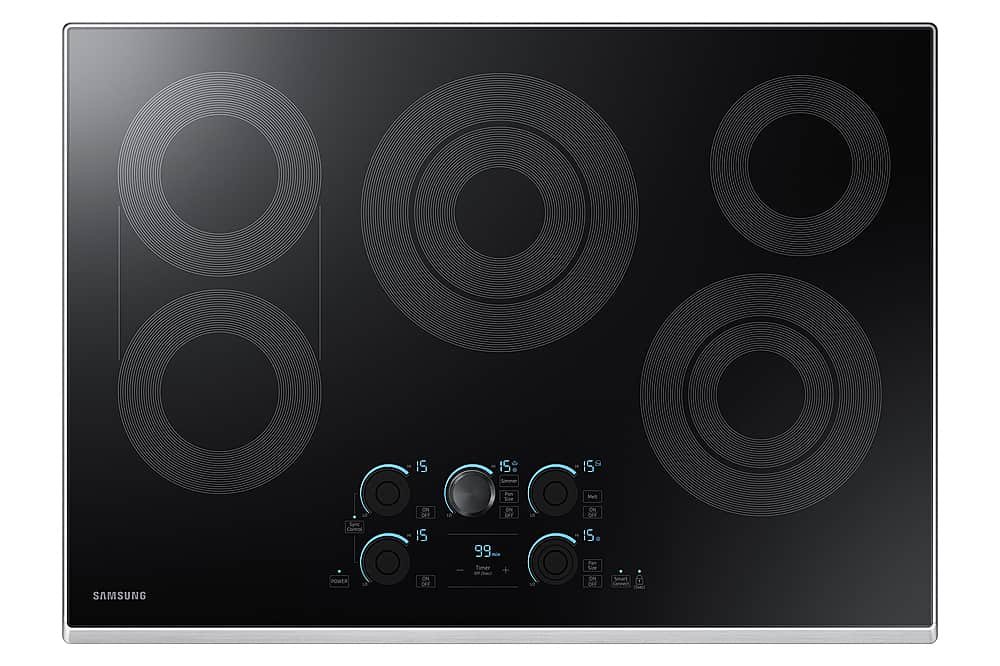
Samsung – 30″ Electric Cooktop with WiFi and Rapid Boil – Stainless Steel
Original price was: $1,659.99.$1,279.99Current price is: $1,279.99.-
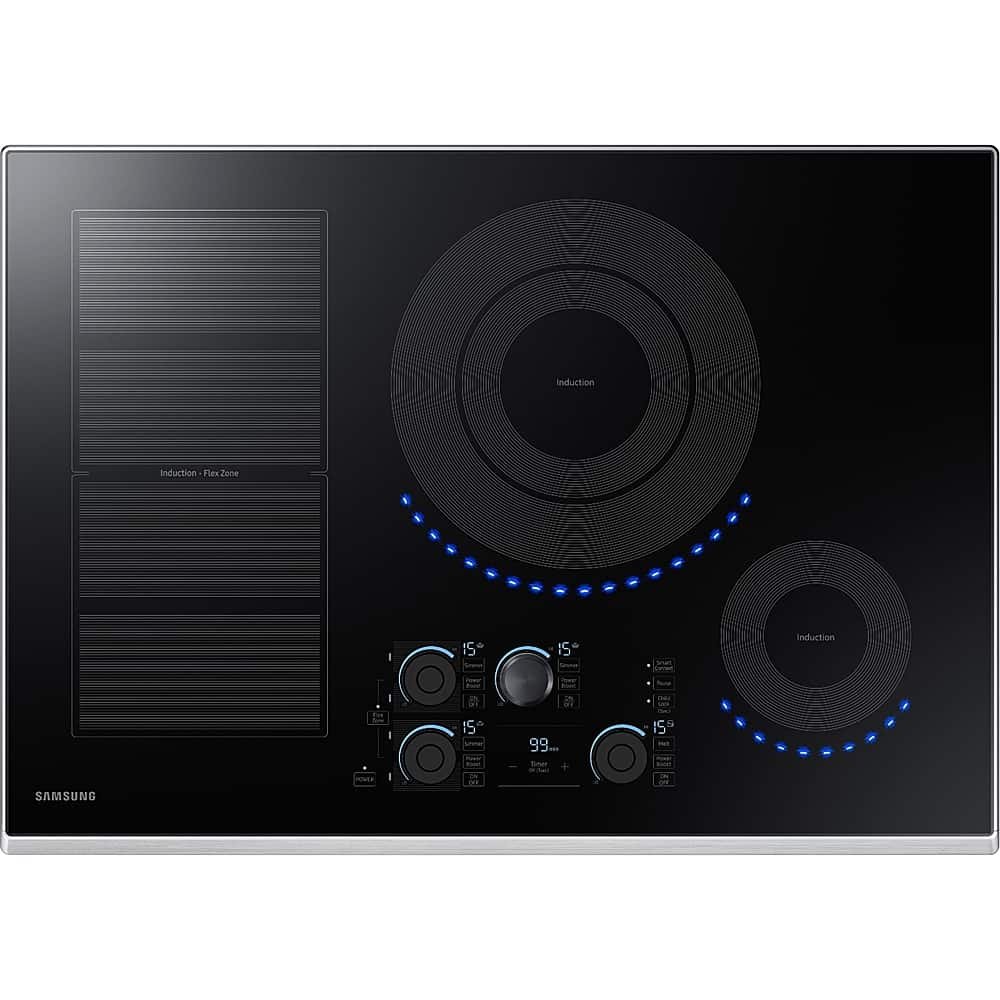
Samsung – 30″ Induction Cooktop with WiFi and Virtual Flame – Stainless Steel
Original price was: $2,059.99.$1,609.99Current price is: $1,609.99.-
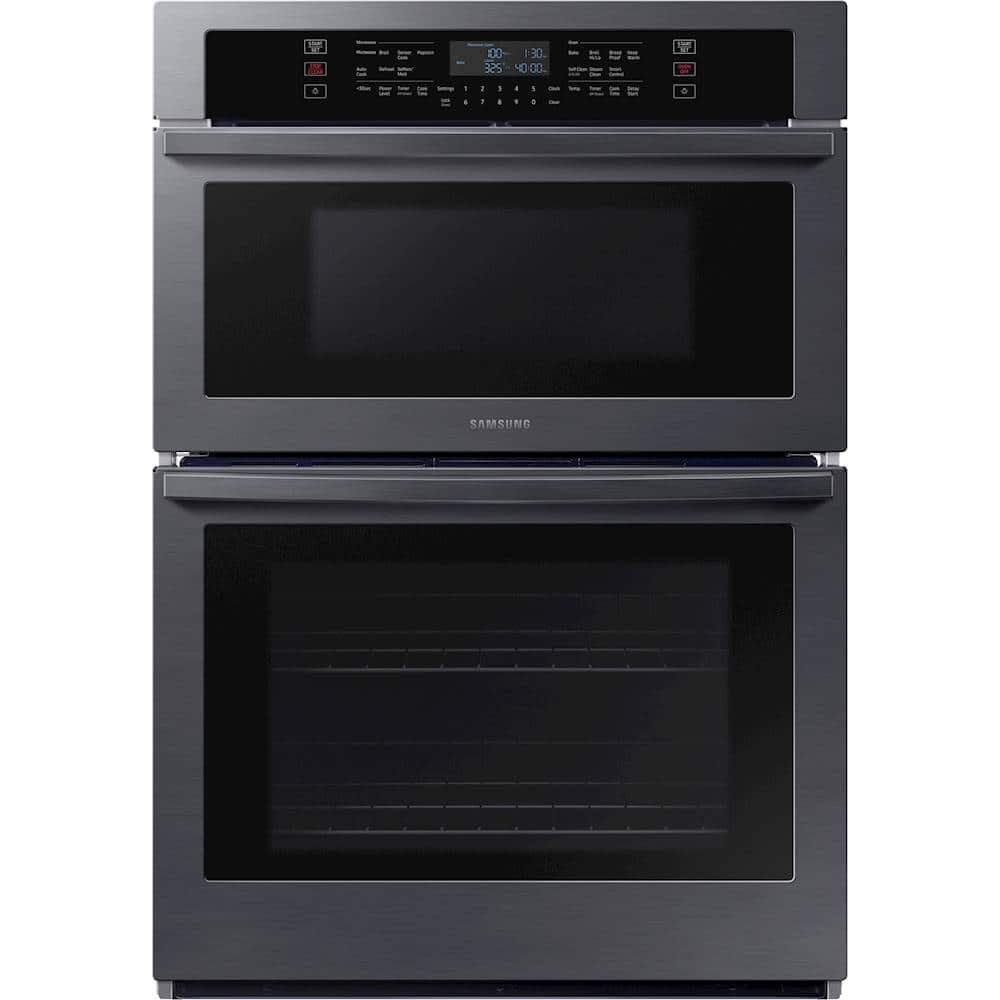
Samsung – 30″ Microwave Combination Wall Oven with WiFi – Black Stainless Steel
Original price was: $3,279.99.$2,559.99Current price is: $2,559.99.-
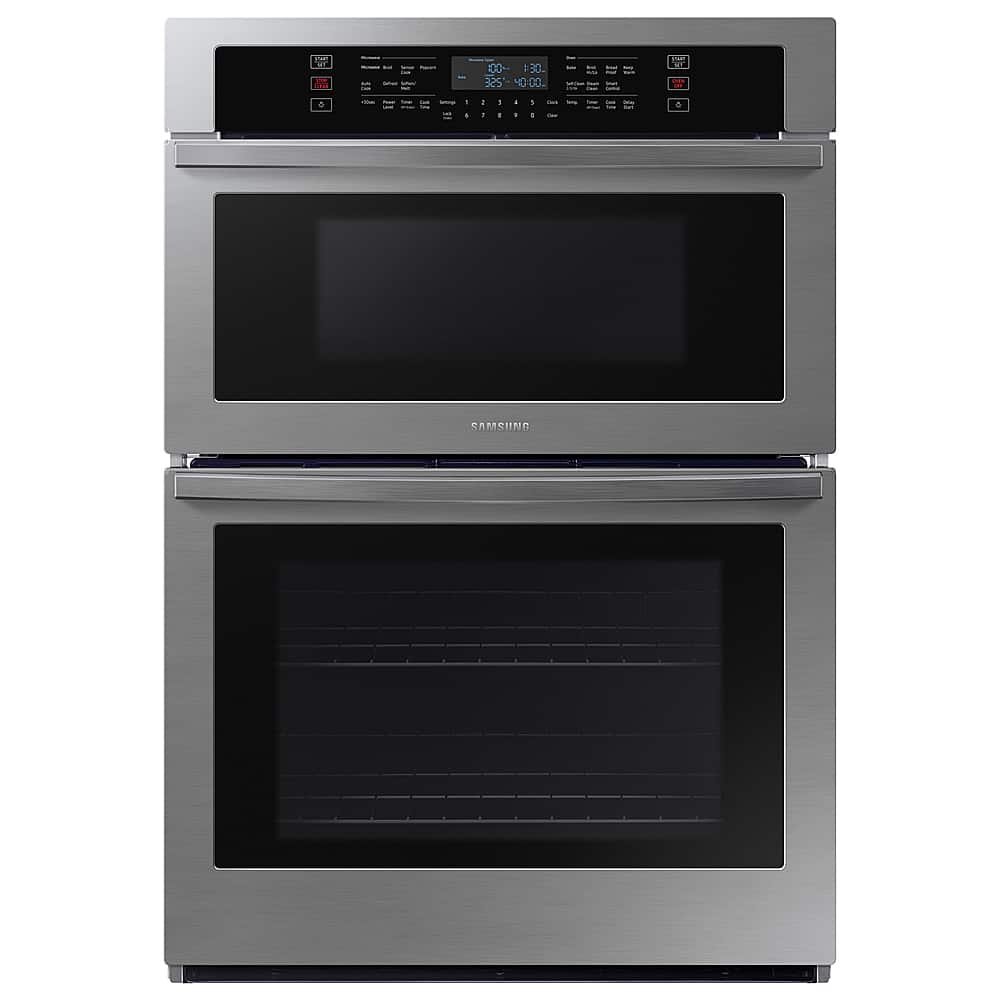
Samsung – 30″ Microwave Combination Wall Oven with WiFi – Stainless Steel
Original price was: $3,099.99.$2,369.99Current price is: $2,369.99.-